
Imperial Events vs The Max B Group: Which Planner Fits
Last Updated: November 24, 2026
Quick Summary
Imperial Events and The Max B Group both serve the Atlanta event market but suit different priorities. Choose by matching the firm's event focus, planning involvement and pricing structure to your own guest count, budget and need for hands-on planning support.
Start by asking which model matches your guest count, budget and tolerance for vendor coordination.
Confirm whether design and production are in-house or subcontracted before comparing quotes.
Put the same five questions to each firm and compare answers side by side.
Request a written proposal from each firm built on the same brief.
Check the contract for scope, payment schedule, cancellation policy and backup plans.
Ready to plan your event?
White-glove planning and custom design for weddings, galas and private celebrations.
Table of Contents
Imperial Events vs The Max B Group at a Glance
Choosing between Imperial Events and The Max B Group comes down to what kind of celebration you're planning and how much hands-on planning support you want. The right fit depends on the event, not just the reputation. This guide compares the two firms on scope, planning style and the questions that matter most before you commit.

Imperial Events and The Max B Group both serve the Atlanta event market, but they are built around different priorities. Some planners lead with large-scale production, while others focus on intimate, highly personalized service. Start by asking which model matches your guest count, budget and tolerance for vendor coordination.
Use the table below as a quick starting point. Treat it as a framework for your own questions rather than a verdict on either firm.
Factor | What to Compare | Why It Matters |
Event type | Weddings, galas, private celebrations | Determines whether the firm's experience fits your occasion |
Planning involvement | Full-service versus partial coordination | Affects how much of the work you hand off |
Design approach | Custom decor, florals, tablescapes | Shapes the look and feel of the final event |
Pricing structure | Package, retainer or hourly | Changes the total cost more than the headline rate |
Reviews and portfolio | Recent work and client feedback | Confirms the firm delivers the style you want |
Service Scope: Weddings, Galas and Private Celebrations Compared
Service scope is where event planning firms differ most, and it is the first thing to pin down before you compare quotes. A firm built around corporate galas runs a different operation than one built around bespoke weddings: different staffing ratios, different vendor networks, different production timelines. The most useful comparison is not a list of services but a map of which event types each firm handles most often and how deep its involvement goes.
Use the four service layers below to frame the comparison. Most firms sit somewhere between full-service planning and day-of coordination, and the layer that matters most is the one your event actually needs.
Service layer | What it typically includes | What to confirm with each firm |
Full-service planning | Concept, budget, vendor sourcing, design, logistics, on-site management | Whether design and production are in-house or subcontracted |
Partial planning | Guidance and vendor referrals after a certain planning stage | The exact point where the firm takes over |
Day-of coordination | Timeline, vendor confirmations, on-site execution | How many staff attend and for how many hours |
Design and production only | Florals, decor, tablescapes, lighting, rentals | Whether setup and teardown are included |
What Imperial Events Offers
When you review a firm's published service list and recent project examples, look for evidence of the event types you care about, and confirm whether design, vendor sourcing, and on-site management are bundled or sold separately. Ask how much of the event-specific detail, such as ceremony timing or family logistics, the firm handles in-house.
What The Max B Group Offers
Check each firm's service descriptions against your event's needs: confirm whether it provides full planning or only partial and day-of coordination, and whether custom design work is included or quoted separately. A firm that excels at one event type may not deliver the same polish across every category, so ask for recent examples in your specific format.
How to Compare the Two Directly
Put the same five questions to each firm and compare the answers side by side rather than in isolation:
Which event types made up most of your calendar in the past 12 months?
For an event my size, how many staff are on site and for how many hours?
Which services are in-house and which are subcontracted?
Who is my main point of contact, and does that person attend the final walkthrough?
Can you share two recent events similar to mine in size, setting, and mood?
Watch out: a firm that lists a service on its website may still subcontract the work, so ask who actually delivers the design, the florals, and the day-of management before you assume the scope is comparable.
For a deeper look at how different planning models compare, read our guide on Luxury Wedding Planner vs Independent: Which Fits Your Day. It explains how a full-service firm differs from an independent coordinator, which can help you frame your questions.
Questions to Ask an Event Planner Before You Compare Firms
Before you compare any two firms, put the same questions to each one. Consistent answers make it far easier to judge fit. Many couples find that the planner's answers reveal more than the brochure does.
Ask how many events they plan each year and what they typically handle on the day of the event. Find out who your main point of contact will be and whether that person stays with you through the final walkthrough. Ask how they handle vendor no-shows or weather changes, since a clear backup plan matters more than a promise. Request references from recent clients with events similar to yours.
For a deeper look at how different planning models compare, read our guide on Luxury Wedding Planner vs Independent: Which Fits Your Day. It explains how a full-service firm differs from an independent coordinator, which can help you frame your questions.
Event Planner Cost: What Drives the Price Difference
Event planner pricing varies widely, and the headline number rarely tells the full story. The clearest way to compare Imperial Events and The Max B Group is not to chase a single rate but to understand how each firm structures its fee and what that structure includes. Pricing is not fixed across firms, so request a written proposal from each one and compare the line items, not just the total.

Most planning firms use one of three fee structures, and the structure itself tells you a lot about how the firm works:
Fee structure | How it works | What it tends to suit |
Flat package fee | A set price for a defined service tier | Couples who want cost certainty before signing |
Percentage of event budget | A percentage of the total event spend, often with a minimum | Larger events where scope grows with the budget |
Hourly or retainer | Billed by the hour or as a monthly retainer | Partial planning and day-of coordination |
Several factors usually drive the gap between quotes:
Scope of planning: Full-service planning costs more than day-of coordination because it covers concept, budget management, vendor sourcing, and on-site execution.
Custom design and production: Bespoke florals, decor, tablescapes, lighting, and rentals add to the total and are often quoted separately from planning.
Guest count and venue: Larger events and venues that require transformation need more staffing, materials, and setup time.
Vendor management: Firms that handle every vendor contract and payment schedule charge for that coordination.
Season and date: Peak-season Saturdays and holiday weekends carry less negotiating room than off-peak dates.
Watch out: a lower quote may exclude services you assume are included, such as vendor sourcing, the final week of logistics, or setup and teardown, so compare what each proposal covers line by line rather than by the bottom-line number.
Because pricing depends on quantity, dates, and delivery, no single figure applies to every event. The practical move is to ask each firm for a written proposal built on the same brief, same guest count, same venue, same service tier, so the quotes are genuinely comparable. For a broader view of what drives cost across the market, see Hiring Luxury Event Planner Cost: 2026 Pricing Guide. You can also review our investment levels and how our pricing is structured to see how we price a comparable event.
Checking Event Planner Reviews and Portfolio Fit
Reviews and portfolios show whether a firm's style matches your vision. Look past the most polished photos and read how past clients describe the planning process, the communication and the day-of experience. Repeated comments about responsiveness or vendor management carry more weight than a single five-star rating.
Focus on portfolio fit. If you want a garden wedding with soft florals, a portfolio full of high-energy corporate galas will not tell you much. Look for events that resemble yours in size, setting and mood. Ask for recent examples, since a firm's style and vendor relationships change over time.
!A couple reviewing a printed portfolio of event photographs with a planner at a sunlit table in a bright Atlanta showroom
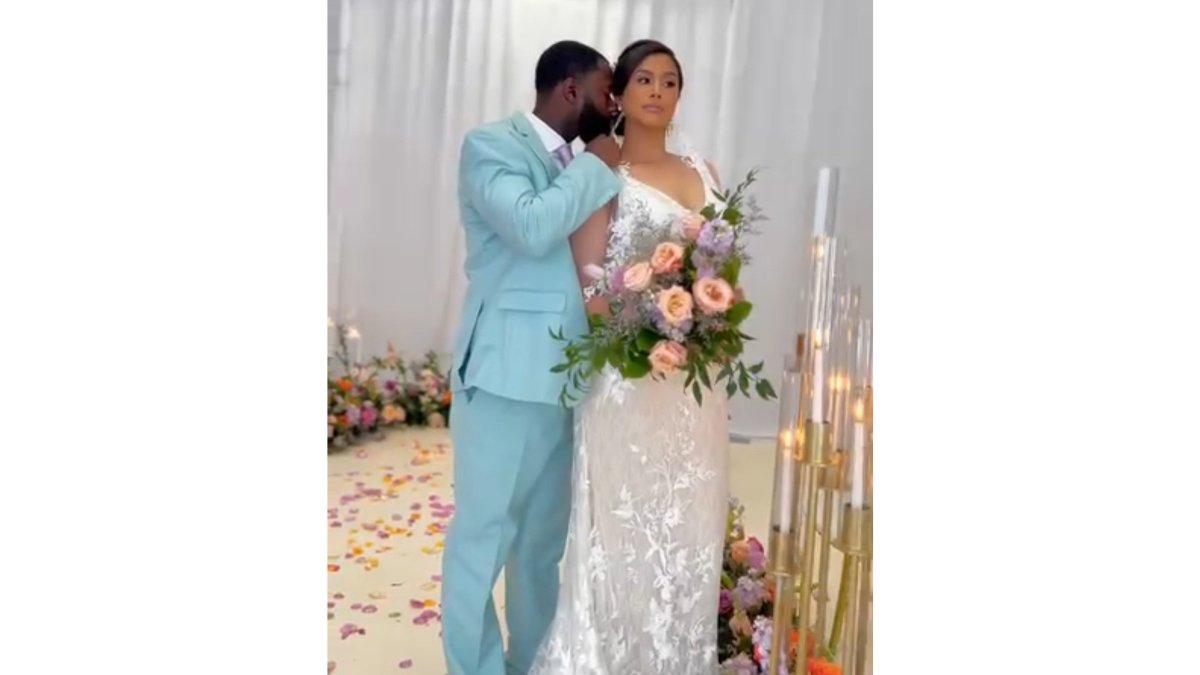
Our client Che' & Mike is one example of how a planner's work shows up in real celebrations.
Event Planning Contract Checklist and Next Steps
Before you sign, make sure the contract spells out the details that cause the most disputes later. A clear agreement protects both you and the planner. Use this checklist when you review any proposal:
Exact services included, and which are billed separately
Payment schedule, deposit terms and cancellation policy
Named point of contact and response-time expectations
Vendor sourcing responsibilities and who signs vendor contracts
Backup plan for weather, vendor no-shows or timeline changes
Final walkthrough and day-of staffing levels
Once you have compared proposals against this checklist, you will know which firm fits your event. If you are ready to move forward, book your luxury consultation with Champagne Caviar Events Design & Services to discuss your vision and get a tailored proposal. Prefer a shorter first conversation? Schedule your free consultation and we will walk through your event and contract terms together.
Let's make your next celebration one your guests remember for the right reasons. Champagne Caviar Events Design & Services offers white-glove VIP concierge planning, custom floral styling and refined tablescapes, so you can enjoy the event instead of managing it. Get started with a consultation and see how we turn your vision into a seamless, unforgettable experience.
Frequently Asked Questions
How do I choose between two event planning companies?
Start with the event type you need planned, such as a wedding, corporate gala or private milestone celebration, and confirm each firm has handled that format recently. Then compare service scope, including whether vendor coordination, design and on-site management are included. Ask for references from comparable events and review the portfolio for a style that matches your vision. Finally, request a written proposal from each firm so you can compare scope and cost on equal terms.
How much does an event planner usually cost?
Pricing depends on guest count, event date, venue, design scope and how much vendor management you need. Planners often price as a flat fee, a percentage of the total event budget, or a package with defined inclusions. Request a written quote from each firm that lists what is included. Current pricing for Champagne Caviar Events Design & Services is available by contacting the team directly through its website.
What questions should I ask before hiring an event planner?
Ask how many events of your type the planner has produced, who will be your day-of contact, and how vendor coordination is handled. Confirm the backup plan for vendor no-shows or weather problems. Ask how many consultations are included and how communication will work in the weeks before the event. Clear answers to these questions reveal how hands-on the planner will be.
What should an event planning contract include?
A solid contract lists the services included, the payment schedule, the cancellation and refund terms, and the vendor responsibilities. It should name the day-of coordinator and describe how changes to scope are documented and priced. Check that the contract states who is liable for vendor failures and how the planner handles weather or emergency contingencies.


Comments