
How to Transform Wedding Venue: A Step-by-Step Guide
Table of Contents
Assess Your Venue and Plan the Transformation
Understand the venue's architectural features and limitations
Check venue policies, installation rules, and logistics
Wedding Venue Transformation Ideas: Creating Your Design Vision
Define your style, color palette, and focal points
Select floral arrangements and greenery as anchors
Wedding Venue Lighting Ideas: Setting Mood and Atmosphere
Layer ambient, task, and accent lighting
Use fairy lights, candles, and uplighting for transformation
How to Decorate a Wedding Venue: Ceremony and Reception Spaces
Transform the ceremony space with arches, draping, and focal flowers
Design the reception with tablescapes, centerpieces, and statement decor
Wedding Reception Layout Ideas: Maximizing Space and Flow
Plan table arrangements and guest flow
Create functional zones for dining, dancing, and socializing
Add Personalized Details and Finishing Touches
Incorporate custom signage, menus, and monograms
Ensure accessibility and guest comfort throughout
Manage Budget, Logistics, and Day-of Execution
Align decor investments with your vision and timeline
Coordinate vendors and prepare contingency plans
Frequently Asked Questions
Last Updated: October 11, 2026
Assess Your Venue and Plan the Transformation
To transform wedding venue spaces effectively requires understanding their bones before you add beauty. The space you choose sets constraints and opportunities that shape every design decision that follows.
Start by visiting your venue at the same time of day as your event. Natural light changes everything. A ballroom that glows at sunset may feel cold at noon. Walk the full perimeter. Note architectural features: exposed beams, columns, high ceilings, or low soffits. These aren't flaws to hide. They're anchors for your design.
Understand the venue's architectural features and limitations
Your venue's architecture is either your ally or your obstacle. We assess each space for its natural focal points. A soaring ceiling invites dramatic draping.
Measure everything. Ceiling height determines whether you can hang installations. Wall dimensions tell you how much draping you need. Floor layout reveals traffic patterns. A 20-foot ceiling offers vertical drama.
Check for architectural challenges. Pillars in the middle of the room need to become design features, not eyesores. Exposed ductwork can be softened with fabric.
Check venue policies, installation rules, and logistics
This is where plans meet reality. Every venue has rules about what you can nail, hang, drill, or tape. Some prohibit open flames. Others restrict uplighting colors. Know these limits before designing.
Ask your venue coordinator these specific questions:
What surfaces can we attach decor to?
Are there restrictions on lighting, candles, or fog machines?
What's the load capacity for hanging installations?
When can we access the space for setup?
How many hours do we have for installation and breakdown?
Are there noise restrictions or curfews?
What's included in the rental (tables, chairs, linens)?
Document everything in writing. A 30-minute setup window changes your entire strategy. Limited access means simpler installations. Outdoor venues need weather contingencies. Rooftop spaces require wind-resistant decor.
Wedding Venue Transformation Ideas: Creating Your Design Vision
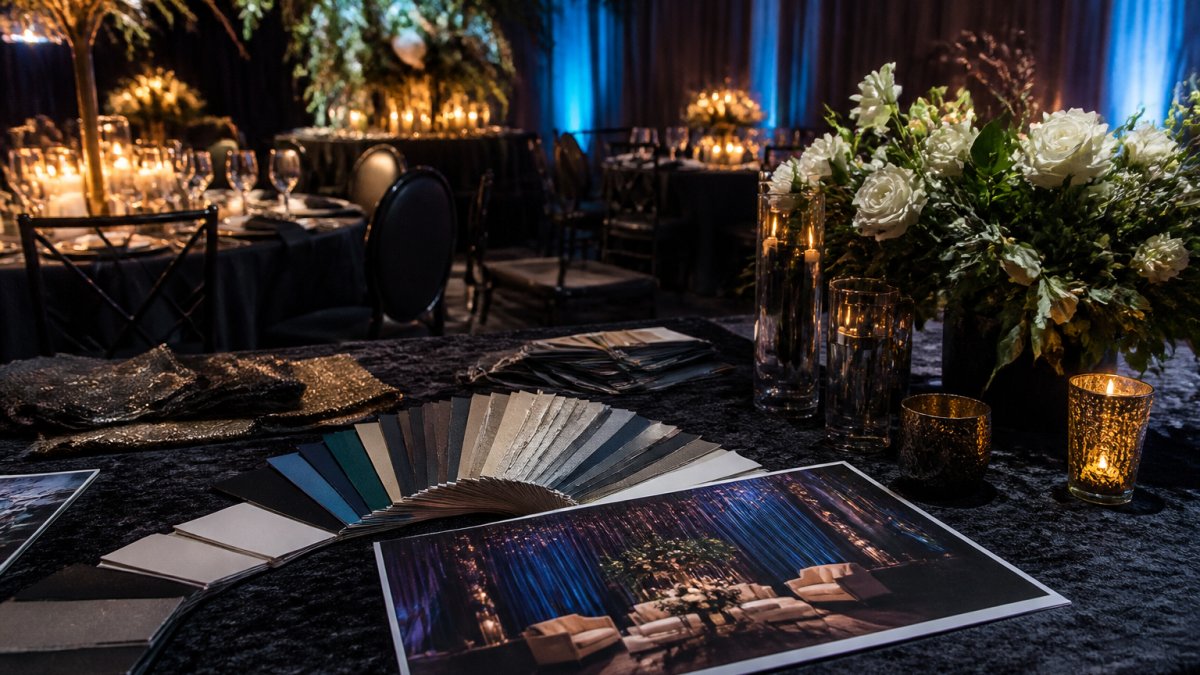
Your design vision transforms a blank space into a story. Before selecting flowers or choosing colors, define what you want guests to feel when they enter.

Define your style, color palette, and focal points
Style clarity guides every purchase. Are you going romantic, modern, bohemian, or classic?
Choose a color palette of three to four colors maximum. Too many colors fragment the space. A cohesive palette creates visual flow. Neutrals with one bold accent color reads more elegant than five competing hues.
Identify your focal points. The ceremony backdrop is always one. The reception might have a decorated cake table, a statement bar, or a lounge area.
Select floral arrangements and greenery as anchors
Flowers are the emotional core of venue transformation. They soften hard edges, add fragrance, and create intimacy in large spaces.
Floral anchors are large installations that define zones:
Ceremony arch or backdrop
Entrance statement arrangement
Cake table centerpiece
Bar or lounge focal point
Altar or sweetheart table
Greenery extends your budget and adds texture. Garlands along railings, climbing vines on bare walls, and potted plants in corners create fullness without the cost of all-flower arrangements. Eucalyptus, ruscus, and Italian ruscus are durable and elegant.
Bud vases on tables add intimacy without overwhelming the tablescapes. Three small vases per table creates more impact than one large centerpiece and costs less.
Wedding Venue Lighting Ideas: Setting Mood and Atmosphere
Lighting is the most powerful transformation tool. It changes color perception, creates depth, and sets emotional tone. A bare ballroom becomes magical under the right lights.
Sherly Cormier
Layer ambient, task, and accent lighting
Professional lighting uses three layers working together.
Ambient lighting is your base. It replaces or supplements natural light and prevents dark corners. Soft uplighting on walls creates a glowing backdrop. String lights or chandeliers provide overall illumination.
Task lighting is functional. It illuminates the dance floor, highlights the cake table, and lights pathways. Guests need to see their food and navigate safely.
Accent lighting creates drama. Uplighting on columns, spotlights on the ceremony arch, and pin spots on centerpieces draw attention to your focal points. Accent lighting separates your venue from standard event spaces.
Use fairy lights, candles, and uplighting for transformation
Fairy lights create romance in any space. String them overhead, wrap them around columns, or drape them along walls. They work indoors and outdoors. Battery-operated options avoid extension cord visibility.
Candlelight is irreplaceable. Votives on tables add warmth. Candelabras create height variation. Flameless candles work where fire codes restrict open flames.
Uplighting is the workhorse of any effort to transform wedding venue spaces. LED uplights in corners and along walls change the entire room color. Warm amber light feels intimate. Cool white feels modern.
Pro Tip Layer your lighting gradually during setup. Start with ambient, add task lighting, then accent. This lets you see how each layer affects the space and adjust before guests arrive.
How to Decorate a Wedding Venue: Ceremony and Reception Spaces
The ceremony and reception require different design approaches. The ceremony is intimate and focused. The reception is expansive and social.
Transform the ceremony space with arches, draping, and focal flowers
The ceremony backdrop is the most photographed element. It frames the couple and anchors the moment.
Arches create structure and focus. Metal arches work indoors and outdoors. Wooden arches feel organic. Draped arches soften hard lines. The arch itself is the foundation.
Draping softens bare walls and ceilings. Sheer fabric creates elegance and movement. Heavy fabric creates formality.
Focal flowers on the arch or altar draw the eye to the couple. These are your statement arrangements. They should be visible from the back row and photograph beautifully.
Design the reception with tablescapes, centerpieces, and statement decor
Reception design balances beauty with function. Guests eat and talk at tables, so centerpieces must allow conversation. Tall, thin arrangements work better than wide, bulky ones.
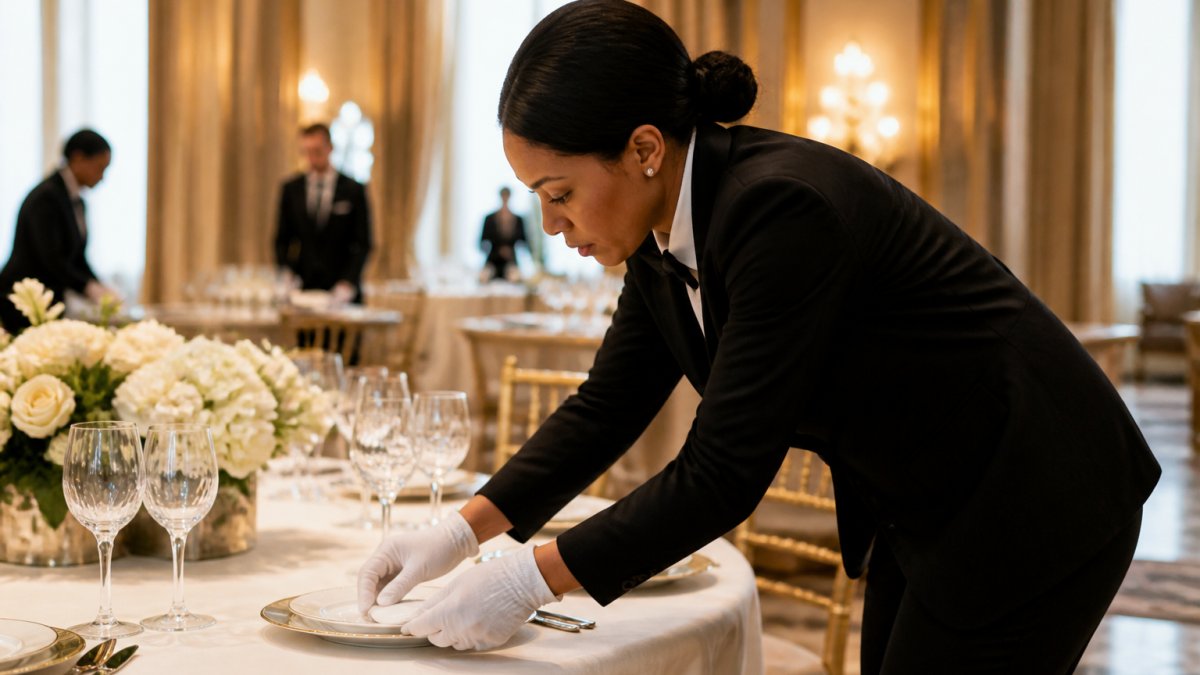
Tablescapes create cohesion across the room. Linens, chargers, napkins, and place cards tell a story. A simple white linen with greenery runners feels organic.
Centerpieces anchor each table. Bud vases with seasonal flowers, low bowl arrangements with floating flowers, or tall arrangements with greenery all work. The key is proportion.
Statement decor creates focal points beyond tables.
Key Takeaway The most transformed venues balance focal points with cohesion. Every element should reinforce your color palette and style, not compete for attention.
Wedding Reception Layout Ideas: Maximizing Space and Flow
Layout determines how guests experience your transformed venue. Poor layout wastes beautiful design. Smart layout guides guests through the space and maximizes comfort.
Plan table arrangements and guest flow
Start with a floor plan. Know your total guest count and table configuration. Round tables feel intimate. Long banquet tables feel formal.
Leave clear pathways. Guests need to move from entry to bar to tables to dance floor without navigating an obstacle course.
Table placement affects conversation. Clustered tables feel intimate. Spread tables feel spacious. The ceiling height and room dimensions determine optimal spacing.
High-top tables create visual variety and standing room for mingling. Lounge furniture in corners creates conversation zones outside the formal table layout.
Create functional zones for dining, dancing, and socializing
Divide your space into distinct areas. This guides guest movement and makes the venue feel intentional.
Dining zone: Tables clustered together with centerpieces and ambient lighting.
Bar zone: Elevated or prominent placement with statement decor and task lighting.
Dance floor: Centered or to one side with accent lighting and clear sightlines from tables.
Lounge zone: Furniture clusters with lower lighting for conversation and cocktails.
Entry zone: Statement decor and focal flowers to set tone immediately.
Clear zones prevent guests from standing awkwardly in undefined spaces.
Add Personalized Details and Finishing Touches
Personalization transforms a beautiful space into your space. Generic elegance is nice. Personal elegance is memorable.
Incorporate custom signage, menus, and monograms
Signage directs guests and adds personality. Welcome signs, table number displays, directional signage, and hashtag signs all serve function and design.
Monograms on linens, napkins, or signage tie the event to the couple. They're subtle but visible. Custom menus at each place setting feel luxurious and personal.
Chalkboard signs, acrylic displays, or printed cards all work. The medium should match your style. Elegant calligraphy on white cards feels formal. Hand-painted wood signs feel organic.
Ensure accessibility and guest comfort throughout
Beautiful design means nothing if guests are uncomfortable. Check sightlines from every table to the ceremony space. Ensure pathways are clear and well-lit.
Temperature control matters. A beautifully decorated outdoor space becomes unbearable if it's too hot or cold.
Restroom signage and locations should be clear. Coat check areas should be obvious. Accessible seating should be integrated into the design, not segregated.
Guest comfort is the foundation of a successful event. Every design decision should enhance, not compromise, how guests experience the space.
Manage Budget, Logistics, and Day-of Execution
Transformation requires coordination. Budget, timeline, and vendor alignment determine whether your vision becomes reality or falls short.
Align decor investments with your vision and timeline
Prioritize your focal points. Invest heavily in the ceremony backdrop and key reception focal points. Secondary elements can be simpler.
A realistic timeline prevents rushed decisions. Venue transformation requires vendor coordination: florists, lighting companies, draping installers, furniture rentals. Build in buffer time. Setup often takes longer than expected.
Create a detailed timeline. When does each vendor arrive? When do they finish? What happens if someone runs late? Document everything.
Coordinate vendors and prepare contingency plans
Your vendors need clear communication. Provide each vendor with a floor plan, timing, and contact information for other vendors.
Outdoor venues need weather contingencies. Have tent rentals on standby. Know your backup plan if rain forces an outdoor ceremony indoors.
Document your design with photos and detailed notes. Share these with your day-of coordinator so nothing gets missed.
We manage these logistics so clients experience stress-free celebrations.
Transforming your wedding venue from ordinary to extraordinary requires planning, vision, and meticulous execution.
Champagne Caviar Events Design & Services specializes in exactly this transformation. We bring custom floral styling, refined tablescapes, and elevated hospitality to every celebration. Schedule a consultation with our team and discover how we transform your vision into an unforgettable experience.
Frequently Asked Questions
How can lighting transform a wedding venue?
Lighting is one of the most powerful tools to transform a wedding venue. Layering fairy lights, uplighting on walls, candles on tables, and spotlights on focal points creates depth and ambience. Warm lighting softens the space and feels intimate, while cool tones feel modern and dramatic. Strategic lighting can hide unattractive architectural elements, highlight your floral arrangements, and completely change the mood from day to evening. Professional lighting design transforms even a simple space into something extraordinary.
What should I prioritize when decorating a wedding venue?
Start with your venue's architecture and what it already offers. Prioritize creating focal points, a stunning ceremony arch, an eye-catching sweetheart table, or an elevated dessert display. Floral arrangements and greenery should anchor your design since they add dimension and luxury. Lighting comes next, as it sets the entire atmosphere. Finally, add personalized details like custom signage and refined tablescapes. This hierarchy ensures your budget goes toward elements with the highest visual and emotional impact.
How do I create a cohesive wedding venue design?
Choose a color palette and stick to it across florals, linens, lighting, and decor. Define a design style, romantic, modern, bohemian, or classic, and repeat it through draping, furniture, and accessories. Use the same flowers or greenery in multiple zones to create visual continuity. Ensure lighting complements your palette and mood. Every element should feel intentional and connected. A cohesive design feels curated and luxurious rather than scattered or overdone.
What's the best way to transform a nontraditional wedding venue?
Assess what the space already has and what it's missing. Nontraditional venues, warehouses, gardens, barns, outdoor properties, often need dramatic transformation. Use draping to soften raw walls, add ambient lighting to create warmth, and deploy floral installations as statement pieces. Define ceremony and reception spaces clearly through furniture placement and focal decor. Work with your venue on installation rules and logistics early. The key is layering elements strategically so the space feels intentional, not bare or cold.
Schedule Consultation

Comments