
What Is a White Glove Event? A 2026 Planning Guide
Table of Contents
What Is a White Glove Event? A Clear Definition
White Glove Service Examples You'll See at Events
Personalized Guest Arrivals
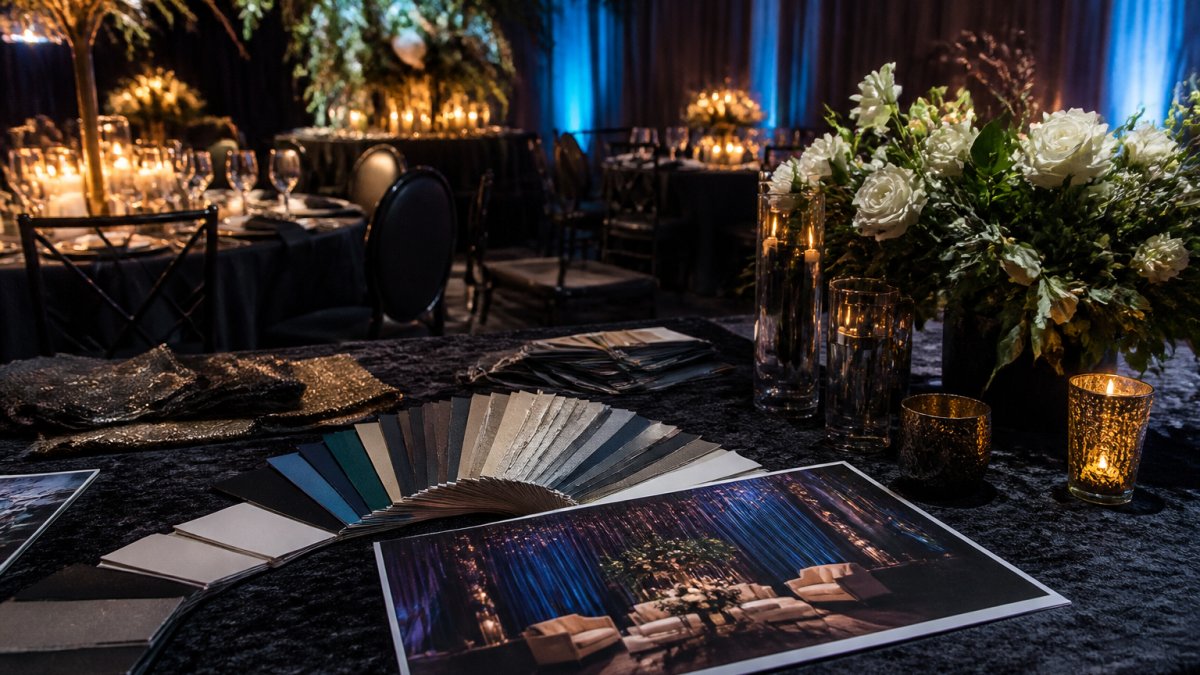
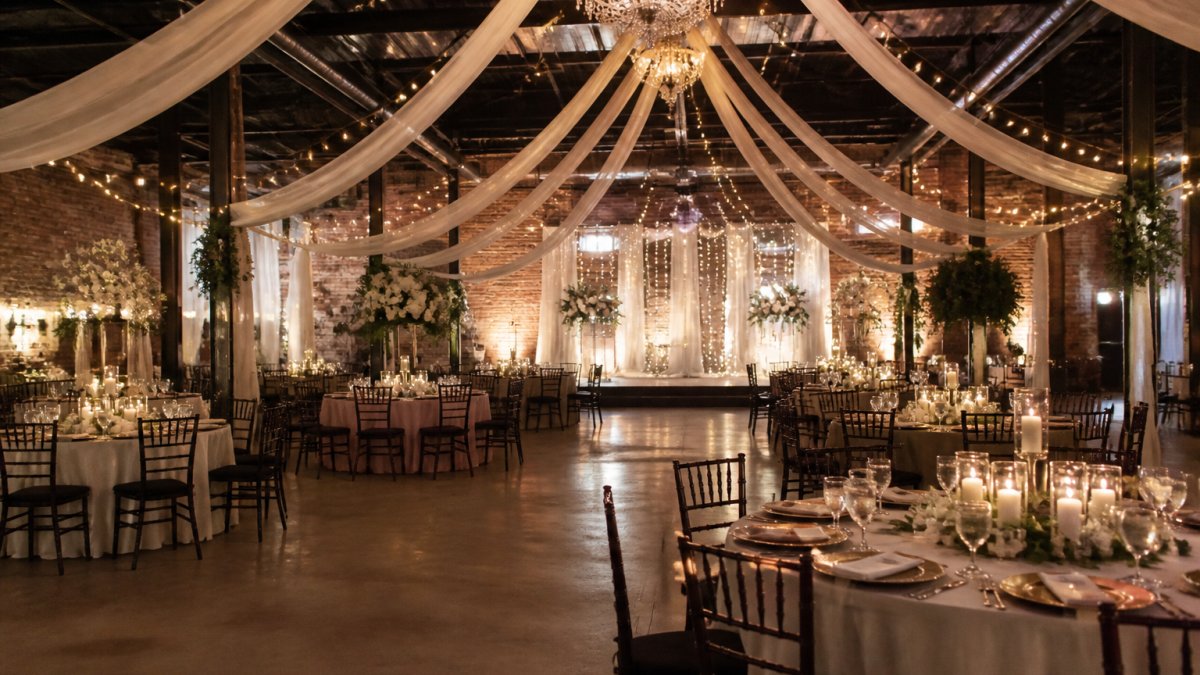
Meticulous Setup and Design
How to Plan a White Glove Event: Step-by-Step
Step 1: Discovery, Define the Experience Before the Decor
Step 2: Design and Scope, Lock the Boundaries
Step 3: Vendor Selection, Vet for Backup, Not Just Style
Step 4: Logistics and Timeline, Build One Master Document
Step 5: Execution, Run the Room, Don't React to It
Step 6: Follow-Up, Close the Loop
Event Vendor Coordination: The Backbone of White Glove Service
VIP Event Concierge Services: What They Include
What's Included and What's Not in a White Glove Event
Budgeting for a White Glove Event: Cost Drivers to Know
The Three Common Pricing Models
What Actually Drives the Cost
What's Usually Not in the Quote
How to Compare Two Quotes
How to Control the Budget
White Glove Events Beyond Weddings: Corporate and Private Celebrations
Frequently Asked Questions
Last Updated: October 12, 2026
What Is a White Glove Event? A Clear Definition
A white glove event is a celebration built around flawless service, where every guest need is met before it's spoken. At Champagne Caviar Events Design & Services, we plan white glove events for clients who want that polish without lifting a finger.
What separates a white glove event from a well-run party? Three things:
Anticipation - staff solve problems before guests notice them
Personalization - the event reflects the host's taste, not a template
Discretion - the team works quietly and stays out of the way
"Luxury" gets thrown around loosely. Real white glove service shows up in the details guests never think about, because someone already handled them.
White Glove Service Examples You'll See at Events
The clearest way to understand white glove service is to watch it in action, the moments guests remember, even when they don't realize why.

Personalized Guest Arrivals
Arrival sets the tone. A white glove team greets guests by name, hands them a signature drink, and walks VIPs straight to their seats. No confusion. No waiting. No one guessing where to go.
Meticulous Setup and Design
Setup happens before anyone arrives, and it's obsessive: linens pressed flat, glassware spotless, centerpieces at the same height on every table. When guests walk in, the room looks effortless, which is the point.
Other examples you'll spot at a white glove event:
A dedicated point person for the guest of honor
Coat and gift check with a numbered tag system
Dietary needs tracked per seat, not per table
How to Plan a White Glove Event: Step-by-Step
Most guides stop at "hire a planner." That's not a plan. A white glove event is built through a sequence of decisions, each locking in the next.
Step 1: Discovery, Define the Experience Before the Decor
Start 6 to 12 months out for a large event, 3 to 4 months for an intimate dinner. Before picking a color palette, answer four questions in writing:
What should guests feel in the first 90 seconds? Arrival sets the emotional tone. A gala wants awe; a milestone birthday wants warmth.
Who are the three people whose experience matters most? The guest of honor, a key executive, a VIP. Their needs drive staffing and seating.
What are the three moments you'll spend on? The toast, the entrance, the send-off. Everything else can stay simple.
A discovery call typically runs 60 to 90 minutes and produces a written brief. Skip it and you're buying a template, not a plan.
Step 2: Design and Scope, Lock the Boundaries
Design is where white glove events separate from standard ones. The deliverable is a scope document listing every line item, who owns it, and what happens if it changes.
A complete scope covers:
Design: florals, tablescapes, lighting, signage, rentals
Logistics: load-in windows, power needs, parking, accessibility
Staffing: how many people, in what roles, for how many hours
Get this in writing. Verbal promises are where white glove events fall apart.
Step 3: Vendor Selection, Vet for Backup, Not Just Style
Style is easy to judge from a portfolio. Reliability is not. Ask every vendor the same four questions:
What's your backup plan if you can't make it? A white glove vendor names a specific person or partner.
Who is my day-of contact, and is that the same person I'm talking to now?
Are you insured, and can you send a certificate?
What's your cancellation and rescheduling policy in writing?
A vendor who hesitates on any of these is a risk. One weak link can undo an otherwise flawless event.
Step 4: Logistics and Timeline, Build One Master Document
Every vendor works from the same master timeline. It includes:
Load-in and load-out times per vendor
Setup sequence (rentals before florals before catering)
Cue times for toasts, entrances, and entertainment
A walkthrough 24 to 48 hours before the event catches problems while they're cheap to fix: power that doesn't reach the band, a doorway too narrow for a rental piece, a seating chart that conflicts with a dietary need.
Step 5: Execution, Run the Room, Don't React to It
On event day, the coordinator owns the timeline and the host owns nothing. Staff solve problems before guests notice them, the concierge keeps VIPs on schedule, and the guest of honor's point person stays within sight.
The measure of success is simple: no guest ever wonders what happens next.
Step 6: Follow-Up, Close the Loop
White glove service doesn't end at the send-off. Within 48 hours, the team should:
Return rentals and reconcile inventory
Collect vendor feedback and any incident notes
Send a thank-you to the host with a summary
This is the step most providers skip, and it's the one that turns a one-time event into a long-term relationship.
Pro Tip Build your master timeline in a shared document, not a group text. Every vendor should be able to see the same version at the same time, and changes should be logged with a timestamp.
Watch Out The most common planning failure is treating design and logistics as separate tracks. They aren't. A floral installation that blocks a service aisle is a design problem and a logistics problem at once. Plan them together.
Event Vendor Coordination: The Backbone of White Glove Service
Event vendor coordination means managing every supplier, timeline, and handoff so the event runs as one seamless production.
Without it, small gaps become big problems: the florist arrives after the caterer, the band needs power the venue doesn't have, the rental truck is late.
A strong coordinator handles this by:
Building one master timeline shared with every vendor
Confirming load-in times and access points in writing
Running a walkthrough before the event day
This is where self-planned events struggle: the host becomes the coordinator, and hosts should be guests at their own party.
VIP Event Concierge Services: What They Include
VIP event concierge services cover the personal, one-on-one support high-profile guests expect, a dedicated assistant for your most important attendees, from arrival to send-off.
Typical concierge duties include:
Greeting VIPs by name and escorting them in
Handling special requests quietly and fast
Managing seating, timing, and introductions
For corporate galas, that means managing executives and speakers; for private celebrations, making sure the honoree never waits in line or wonders what happens next.
The best concierge teams stay invisible. Guests feel cared for without ever spotting the person making it happen.
Watch Out Skipping a dedicated concierge for VIPs is a common and costly mistake. When executives or the guest of honor have no point person, they end up managing themselves, and the event feels chaotic even when the rest runs smoothly.
What's Included and What's Not in a White Glove Event
White glove service covers planning, coordination, design, and on-site execution, but not everything you might imagine, so clarity up front prevents surprises.
Typically included:
Full event planning and design
Vendor sourcing and coordination
Setup, styling, and breakdown
Usually not included:
The venue rental fee itself
Catering and bar costs
Rental equipment and inventory charges
Service | Included | Not Included |
Planning and design | Yes | - |
Vendor coordination | Yes | - |
Venue rental fee | - | Yes |
Catering and bar | - | Yes |
On-site staff | Yes | - |
Guest travel | - | Yes |
The line between included and not included varies by provider. Get the scope in writing before you commit.
Budgeting for a White Glove Event: Cost Drivers to Know
White glove event pricing depends on guest count, service scope, and customization. There is no single number, and any planner who quotes one without asking questions is guessing. Understand the pricing models, the drivers, and the questions that reveal what a quote covers.
The Three Common Pricing Models
Most providers price one of three ways, each with trade-offs:
Flat fee or package: A set price for a defined scope. Easiest to compare, but the scope is fixed. Changes cost extra.
Percentage of budget: The planner takes a percentage of total event spend. Aligns incentives on design, but can push costs up if the budget grows.
Hourly or day rate: Common for coordination-only or day-of staffing. Predictable for short engagements, expensive for long ones.
Ask which model a provider uses before you compare quotes. A flat fee and a percentage quote are not the same number, even when they look similar on paper.
What Actually Drives the Cost
The biggest cost drivers are:
Guest count, more guests mean more staff, food, rentals, and square footage. Staffing ratios are the quiet multiplier. A seated dinner typically needs one server per 8 to 12 guests; a cocktail reception can run one per 20 to 30.
Venue transformation, a full redesign of an empty space costs far more than styling a room that already works. Lighting, drape, and flooring are the usual culprits.
Florals and decor, custom floral styling is a major line item. Seasonal and local stems cost less than out-of-season imports, and installation labor is often separate from the flowers themselves.
What's Usually Not in the Quote
Even a detailed proposal often excludes:
Venue rental fee
Catering and bar costs
Rental equipment and inventory charges
Ask for an "inclusions and exclusions" list in writing. The exclusions are where budgets break.
How to Compare Two Quotes
Line up quotes side by side on four axes:
Scope: What's included, and what's explicitly not?
Staffing: How many people, in what roles, for how many hours?
Contingency: What happens if a vendor cancels or weather changes?
Change orders: What does it cost to add or remove something after signing?
A lower quote with vague staffing is usually more expensive once change orders land.
How to Control the Budget
Set your priorities early. Spend on the three moments that matter most, and keep the rest simple. A few patterns that work:
Cap the guest list before you cap the decor. Guest count drives almost every other line.
Choose one signature element, a floral installation, a live band, a custom dessert, and let the rest be clean and standard.
Book early. Peak-season dates and short lead times both carry premiums.
Key Takeaway White glove pricing isn't a flat package. It's a reflection of scope. The more personalized the experience, the more labor and planning it takes, and that's where the cost lives. Compare quotes on scope and staffing, not on the bottom-line number alone.
Watch Out A quote that doesn't list exclusions is not a quote. It's an estimate. Get the inclusions and exclusions in writing before you sign, or you'll discover the gaps on event day.
White Glove Events Beyond Weddings: Corporate and Private Celebrations
White glove events extend well past weddings.
Corporate events lean on precision. Executives expect tight schedules, clear signage, and flawless AV.
Private celebrations lean on warmth. An anniversary dinner or milestone birthday should feel personal, not produced.
At Champagne Caviar Events Design & Services, we plan both.
Whether it's a 50-guest dinner or a 500-guest gala, the goal stays the same: a seamless, stress-free experience that guests remember.
Planning a white glove event takes more than good taste. Our clients get personalized attention from first consultation to final send-off. Schedule a consultation with Champagne Caviar Events Design & Services and let us turn your vision into an unforgettable event.
Frequently Asked Questions
What does white glove service mean at an event?
At an event, white glove service means every detail is handled with meticulous care and anticipation. It goes beyond standard hospitality to include personalized greetings, seamless vendor coordination, and proactive problem-solving. Staff are trained to address guest needs before they're voiced, from dietary preferences to seating adjustments. The goal is an elevated, stress-free experience where guests feel genuinely cared for and nothing is left to chance.
What is the difference between white glove service and standard event service?
Standard event service covers the basics: setup, catering, and cleanup. White glove service adds a layer of personalized attention and anticipation. That means dedicated concierge staff, custom touches tailored to each guest, and a team that manages vendor logistics behind the scenes. With standard service, you might handle last-minute issues yourself; with white glove, a coordinator resolves them discreetly, so you stay present and enjoy the event.
How much does a white glove event cost?
Pricing for a white glove event depends on guest count, venue, design complexity, and the level of concierge service you choose. Custom florals, rental inventory, and extended coordination hours are common cost drivers. Because every event is bespoke, there's no single price. We recommend reaching out to a planner like Champagne Caviar Events Design & Services for a personalized quote based on your specific vision and requirements.
Can white glove service be applied to corporate events?
Absolutely. White glove service works for corporate galas, fundraisers, executive retreats, and conferences. It ensures VIP guests receive personalized attention, vendor coordination runs smoothly, and the event reflects your organization's brand. From custom signage to curated catering, every element is managed with the same meticulous care as a luxury wedding, creating a polished experience that leaves a lasting impression on clients and stakeholders.
Schedule Consultation

Comments